
A History of Podcasting: From 1980s Tech Radio to Multi-Billion Dollar Industry
Podcasting isn’t a fad that will go away like Clubhouse or Threads. In fact, podcasting has roots in the 1980s and sits alongside email and search as one of the longest-enduring digital communications channels. This article will chronicle the rise of podcasting from 1980s radio tech to the multi-billion dollar industry it has become.
Podcast Consumption Has Steadily Risen in the 21st Century
Demand for podcast audio has grown steadily over the last 25+ years. According to the Infinite Dial 2025 study by Edison Research, an estimated 73% of the U.S. population listens to online audio at least weekly.
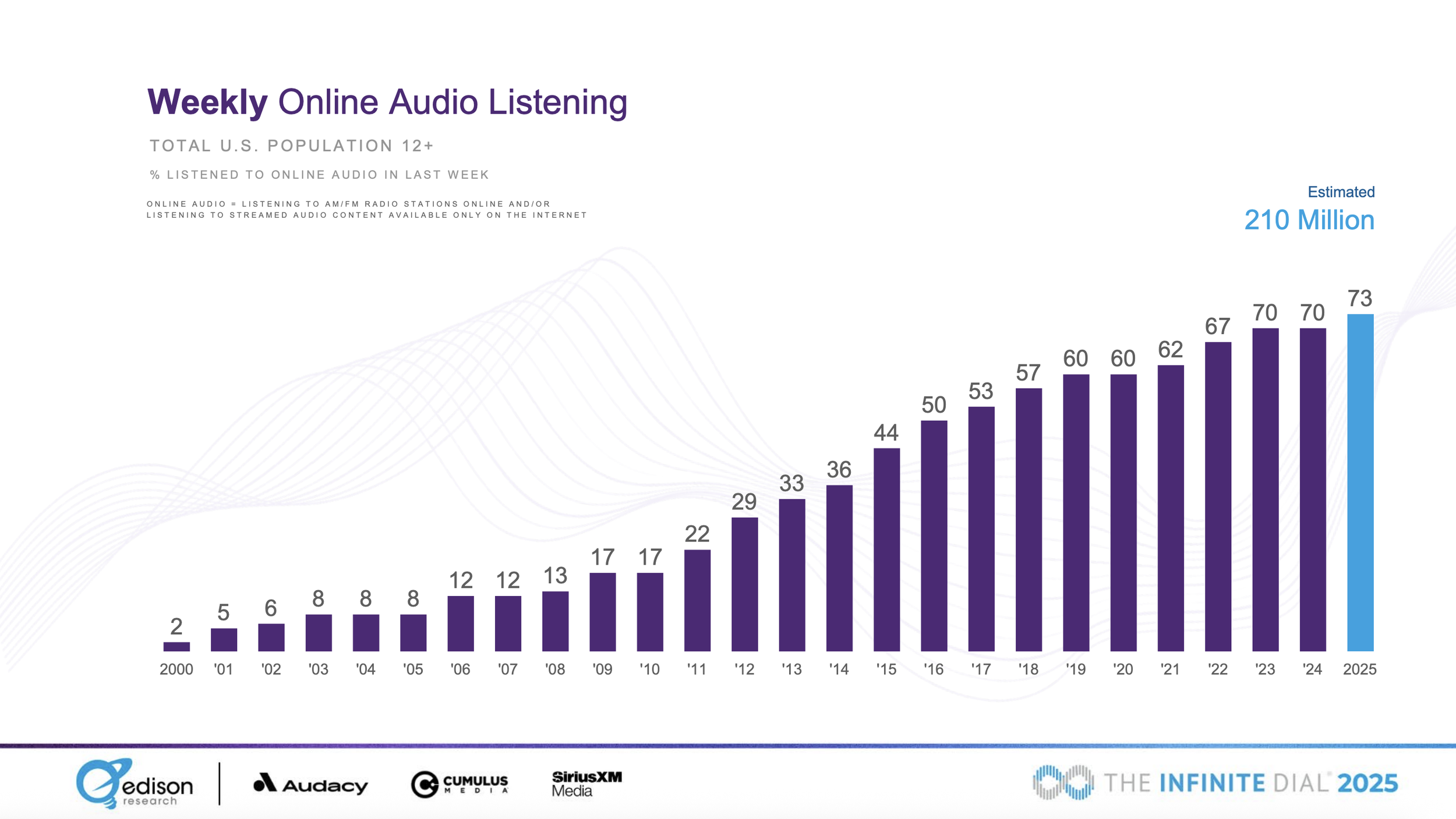
So how did we get here? What were the events that led to the rise of such a powerful communications and marketing channel?
The Pre-Internet Roots (1980s–1990s)
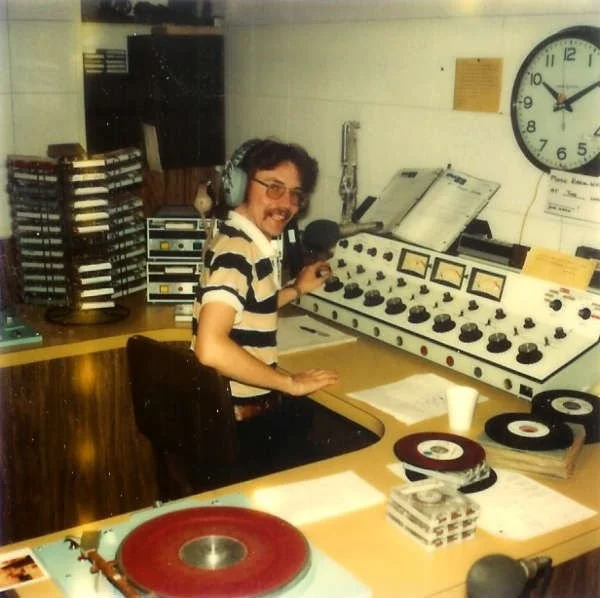
Before the advent of the internet, podcasting was in a prototyping phase. In the 1980s, RCS (Radio Computing Services) provided music and talk-related software to radio stations in a digital format. This offered a new way to broadcast radio content, and was an early example of on-demand audio distribution.
In the 1990s, RealAudio enabled streaming over dial-up internet. This paved the way for internet talk radio stations; shows distributed via downloads or mailing lists.
Introduction of The RSS Feed (2000–2004)
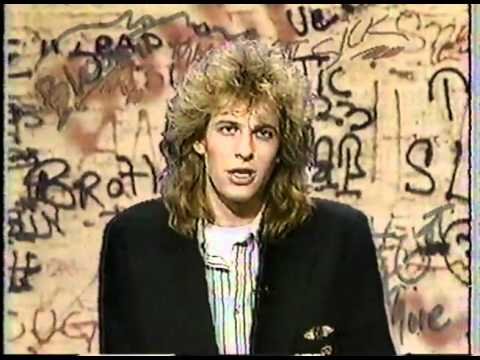
Podcasting’s roots trace back to the early 2000s with Dave Winer, a software developer and Real Simple Syndication (RSS) pioneer, and Adam Curry, formerly an MTV video jockey. In 2000, the two discussed automated media distribution, focusing on video before pivoting to audio.
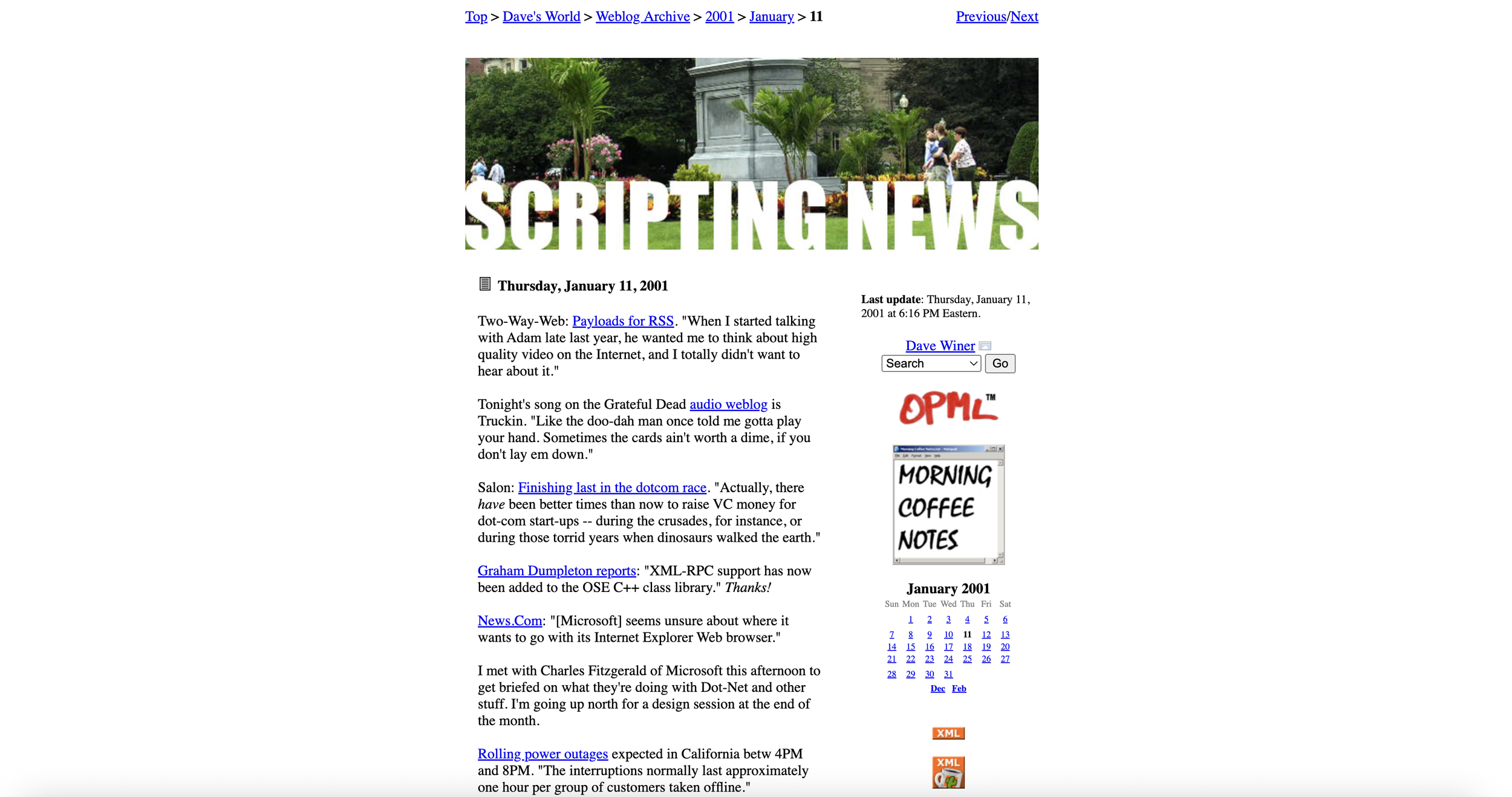
Winer formalized RSS 2.0 in 2003, but as early as 2001 he had discovered how to include MP3s in RSS feeds—posting The Grateful Dead’s “Truckin’” as what is now considered the first podcast. With Curry’s help, they developed iPodder, a program that let users download internet radio broadcasts to their iPods, and Winer created one of the first podcatchers with Apple Scripts in 2004. Together, they laid the foundation for modern podcasting.
The Name “Podcasting”
In 2004, The Guardian ran a column by journalist Ben Hammersley that marked a turning point for the medium. He noted how ordinary people were beginning to publish their own downloadable audio shows online, powered by cheap recording gear and growing internet access. The only problem, he joked, was what to call it—floating names like “audioblogging” or “GuerillaMedia” before casually dropping “podcasting,” the label that would stick and define the industry.
Mainstream Awareness (2005–2013)
When Apple added podcasts to iTunes in 2005, the medium took a giant leap toward mainstream adoption. Before then, subscribing to a podcast required clunky software and some technical know-how. But with iTunes, podcasts became just a click away for millions of iPod owners, opening the floodgates to a wider audience and giving independent creators unprecedented reach.
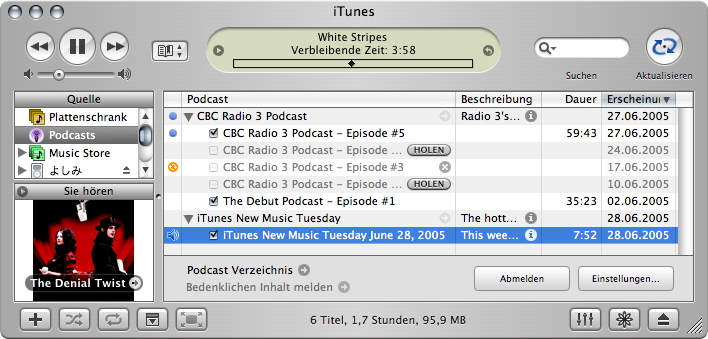
In the years that followed, podcasts found their early champions in niche communities. Tech enthusiasts, hobbyists, and independent storytellers gravitated toward the format, experimenting with content that didn’t need to fit into traditional radio schedules.
By the late 2000s, established media outlets began to notice. Public radio programs like This American Life and Radiolab embraced podcasting, bringing their loyal listener bases with them. This period marked a shift: podcasts were no longer just a fringe experiment but a viable distribution channel for professional content, blending the credibility of legacy media with the accessibility of the internet.
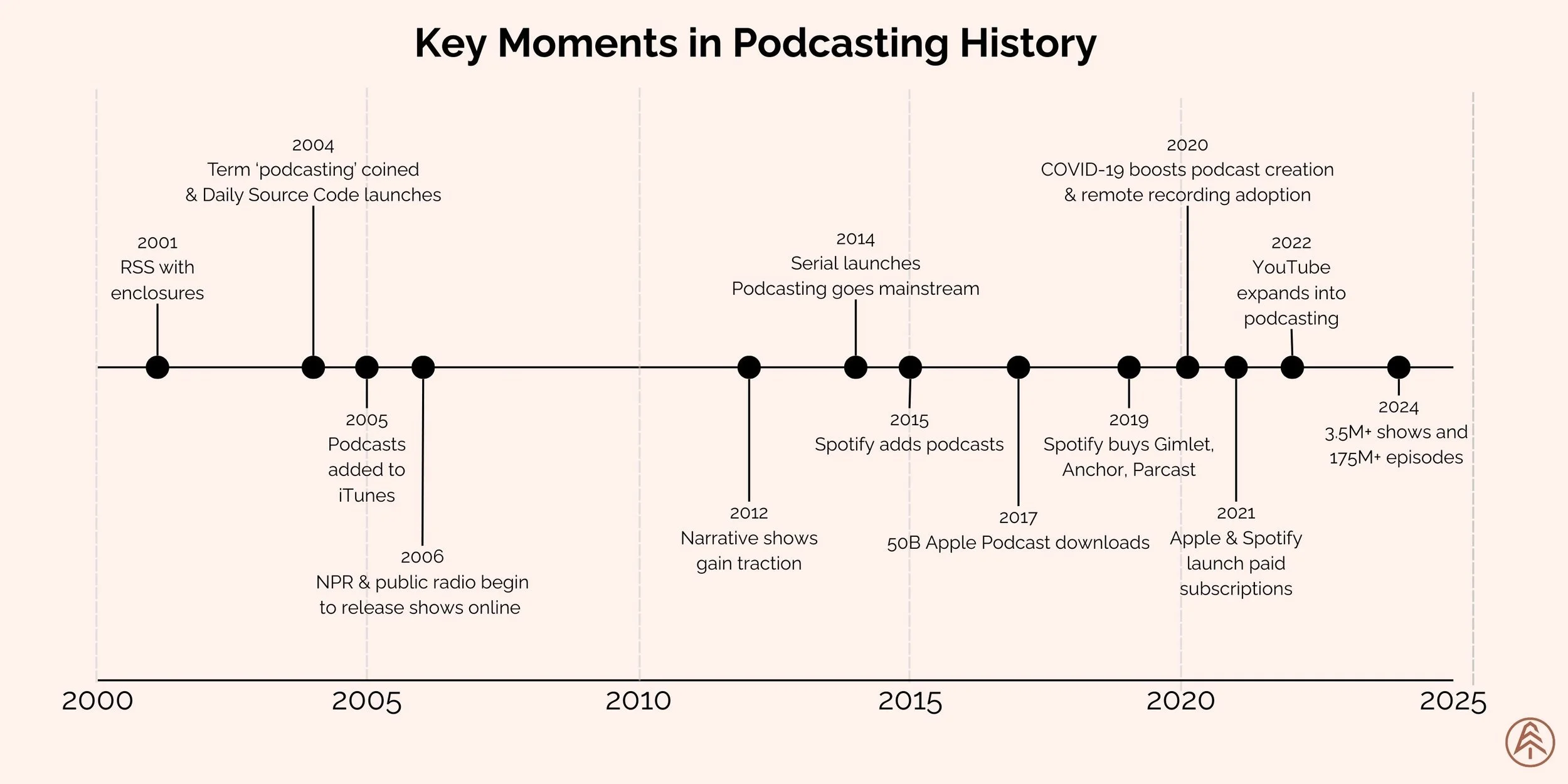
Still, podcasting in this era wasn’t the cultural juggernaut it is today. Discoverability remained a challenge, production quality varied widely, and advertisers were only beginning to test the waters. Yet between 2005 and 2013, podcasts steadily built momentum—moving from geeky side projects to a recognized format that both amateurs and professionals could use to reach an audience on their own terms.
The “Serial” Effect and Industry Explosion (2014–2018)
Podcasting’s true breakout moment came in 2014 with the launch of Serial, a spin-off from This American Life. Hosted by Sarah Koenig, the show unfolded a true-crime investigation week by week, drawing listeners into a story that was as addictive as any prestige TV drama. Within weeks, Serial became a cultural phenomenon, shattering download records and proving that podcasts could capture the mainstream imagination.

The success of Serial was more than a fluke — it validated podcasting as a storytelling medium with mass appeal. For the first time, friends were swapping podcast recommendations the way they once traded Netflix shows. Advertisers, too, began to take notice, realizing podcasts offered intimate, engaged audiences that traditional media often struggled to reach.
At the same time, the rapid adoption of smartphones made podcasts easier to access than ever before. Commuters could download episodes on demand, and binge-listening became a familiar ritual. Between 2014 and 2018, the industry transformed from a niche hobbyist space into a rapidly maturing ecosystem, setting the stage for the billion-dollar boom that followed.
The Streaming Era and COVID Boom (2019–Present)
In 2019, Spotify made a bold move, pouring hundreds of millions of dollars into podcasting by acquiring Gimlet Media, Anchor, and Parcast. This wasn’t just an experiment. The move signaled that streaming platforms saw podcasts as central to the future of audio. With Spotify’s entry, the industry shifted from a loose network of indie creators and niche networks into a competitive, platform-driven marketplace.
The timing couldn’t have been more dramatic. In 2020, as the world shut down during the COVID-19 pandemic, podcast creation and listening spiked. Remote recording tools like Zoom, SquadCast, and Riverside became household names among creators, and listeners devoured content as a way to stay informed and connected during isolation. Entire new genres flourished, from daily news briefings to bingeable limited series.
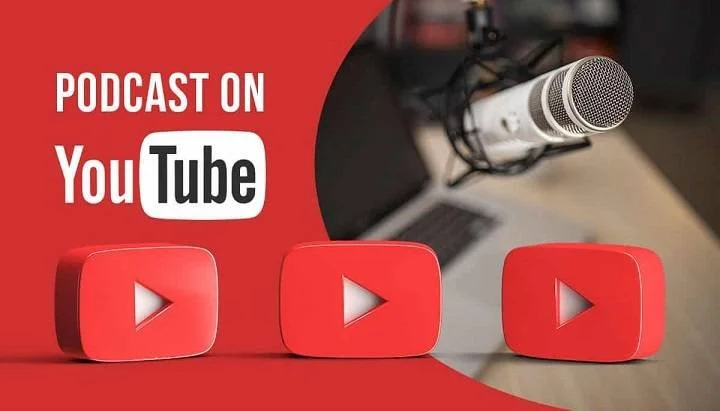
By 2021, the major platforms doubled down. Apple and Spotify both launched subscription options, giving podcasters new ways to monetize directly from listeners. Meanwhile, YouTube—already a go-to destination for video podcasts—began formally positioning itself as a podcasting hub, blurring the line between audio-first and video-first distribution.
Today, podcasting is a global industry with over 3.5 million shows and 175 million episodes available. While questions about discoverability, monetization, and creator sustainability remain, the medium has never been more visible or more diverse. From billion-dollar deals with celebrity hosts to niche shows that thrive on small but loyal audiences, podcasting has entered its streaming-era adolescence; powerful, crowded, and still evolving.
Why Has Podcasting Stood the Test of Time?
As humans, we are wired to listen to others tell stories. In all of human history, the spoken word pre-dates any form of writing or hieroglyphs. Myths, legends, and stories were passed down orally through generations before they were ever written down.
Since the early 1900s, people have been listening to radio talk shows on speakers and headphones. Generations of humans have experienced the same thing: listening to a “radio show.” Radio created an environment ripe for humans to seamlessly adapt to consuming podcast content.
Despite all the changes in technology, podcasting has proven remarkably durable. From its roots in 1980s digital radio, to RSS feeds in the early 2000s, to today’s multi-platform streaming era, the core appeal has remained the same: an intimate, on-demand audio experience.
Unlike social posts that vanish in the scroll or video platforms that fight for fragmented attention, podcasts invite listeners into long-form conversations, stories, and ideas. Episodes live on indefinitely, ready to be discovered years after release. Podcasting is as much an archive as it is a live medium.
Only one question remains: how will podcasting change in the future? Connect with me on LinkedIn and let me know what you think.
